
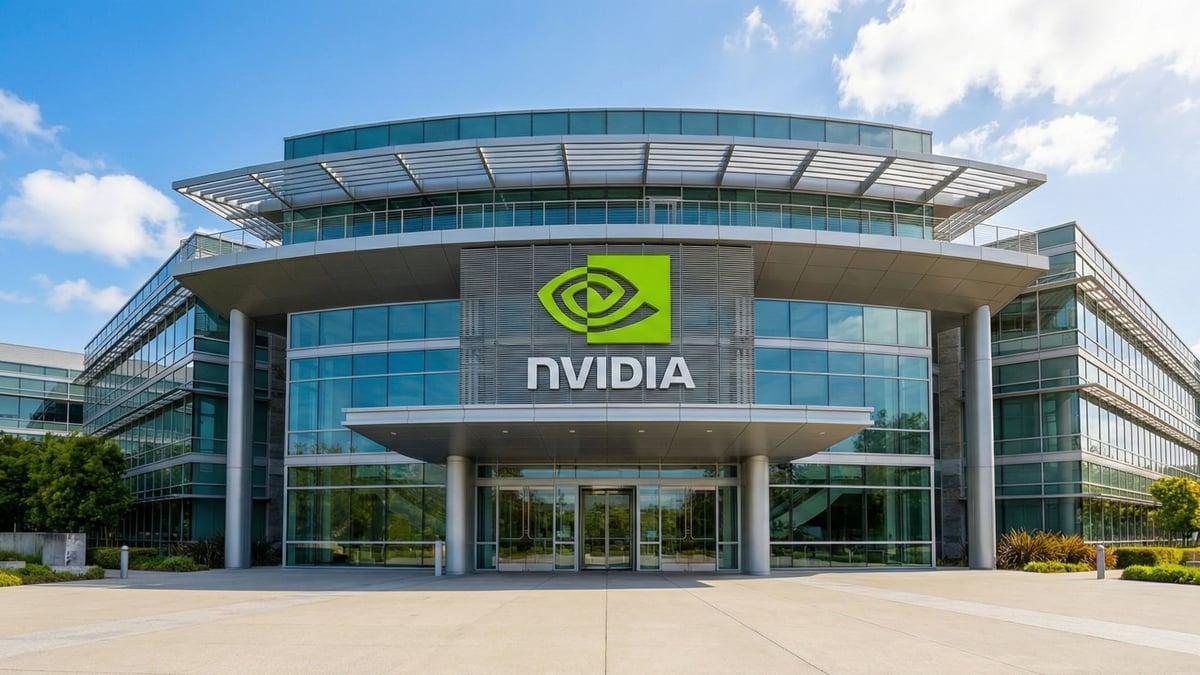




Shows



A growing number of mathematicians have raised concerns about the increasing use of artificial intelligence in mathematical research, warning that it could undermine the discipline’s core principles. These concerns have been formally outlined in the Leiden Declaration on Artificial Intelligence and Mathematics, a document prepared by a group of 16 researchers following discussions at a conference held at Leiden University in the Netherlands. The declaration, which has received support from hundreds of signatories and the International Mathematical Union, warns that AI-generated proofs can appear convincing while being inaccurate or unverifiable, creating challenges for peer review and academic integrity.
The declaration also highlights issues such as improper citation of human-authored work, lack of transparency in AI-assisted research, unequal access to advanced AI tools, and the growing influence of technology companies on research priorities. The warning comes amid recent claims by companies such as OpenAI and Google DeepMind that their AI systems have solved long-standing mathematical problems. The declaration urges mathematicians to disclose AI usage, maintain responsibility for the accuracy of their work, establish ethical standards for collaborations with technology firms, and develop clear guidelines for AI-assisted research and publication.














Comments (0)
No comments yet
Be the first to comment!