




General


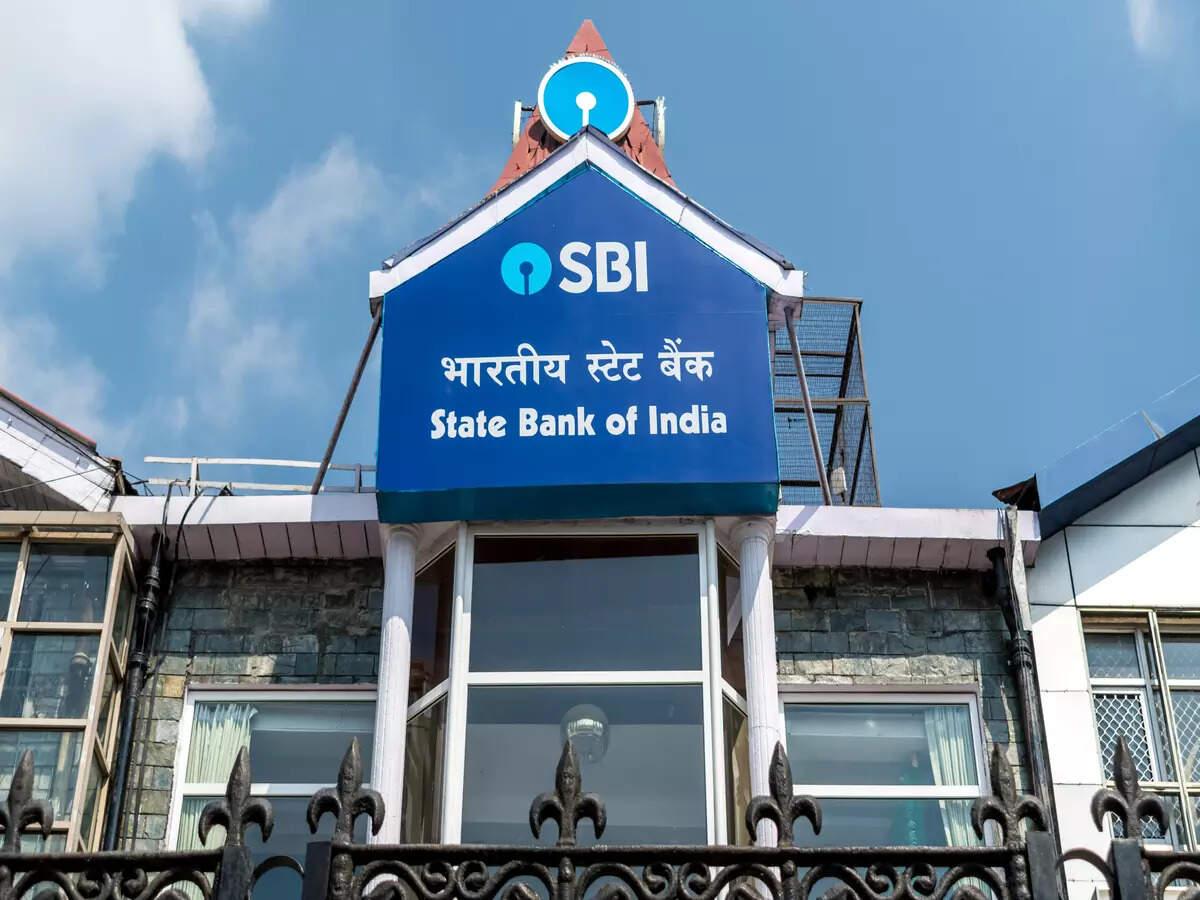
State Bank of India (SBI), the country’s largest public sector bank, has revised its lending rates across selected tenures, increasing the External Benchmark Linked Rate (EBLR), Repo Linked Lending Rate (RLLR) and Marginal Cost of Funds Based Lending Rate (MCLR). According to the report, the revision follows the Reserve Bank of India’s recent 25-basis-point repo rate hike. The revised rates came into effect on October 15. SBI increased its EBLR from 7.90% to 8.15% and its RLLR from 7.50% to 7.75%, with the applicable Credit Risk Premium (CRP) and Bank Spread (BSP) added separately. Borrowers whose loans are linked to these benchmarks could face higher interest costs and increased equated monthly instalments (EMIs), depending on their loan terms and reset dates.
SBI left its overnight and one-month MCLR unchanged at 7.85%. However, the three-month MCLR rose from 8.60% to 8.75%, while the one-year rate increased from 8.70% to 8.85%. The two-year and three-year MCLR rates were raised by 15 basis points to 8.90% and 8.95%, respectively. MCLR represents the minimum lending rate determined by a bank after considering factors such as its cost of funds, operating expenses and margin. Existing home, personal and corporate loans linked to MCLR may become more expensive when their interest rates reset. The actual impact on each borrower will depend on the applicable benchmark, outstanding loan amount, repayment period and terms of the loan agreement.













Comments (0)
No comments yet
Be the first to comment!