
General


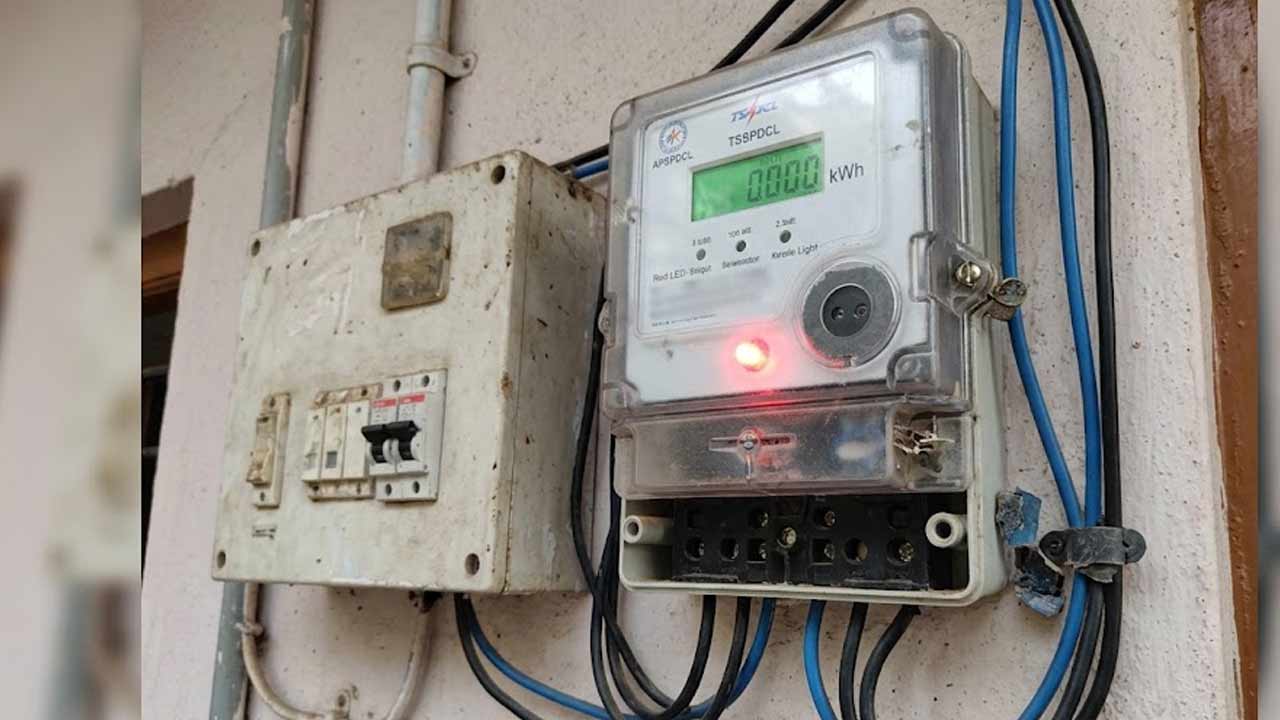
Many households notice that their electricity bill sometimes rises unexpectedly even when they believe their power consumption has not increased significantly. One useful indicator on a digital electricity meter is the red LED, which generally functions as a consumption pulse indicator. Its blinking frequency can provide a rough indication of how much electricity is being used at a particular time. However, the exact meaning and pulse rate can vary depending on the meter model and its configuration.
When electricity consumption is low, the LED may blink relatively slowly. When high-power appliances such as air conditioners, geysers, heaters or other heavy-load equipment are switched on, consumption increases and the LED may blink more rapidly. If the light continues to pulse rapidly even after major appliances have been switched off, consumers can check whether the meter units are continuing to increase unusually quickly. Possible causes could include wiring leakage, a meter-related issue or another electrical fault. Consumers should not open the meter or modify wiring themselves. Instead, they should contact the relevant electricity department or a qualified electrician for inspection. The blinking speed alone cannot confirm a meter fault, but unusual consumption should be checked promptly to avoid unnecessary electricity expenses.












Comments (0)
No comments yet
Be the first to comment!