

Shows

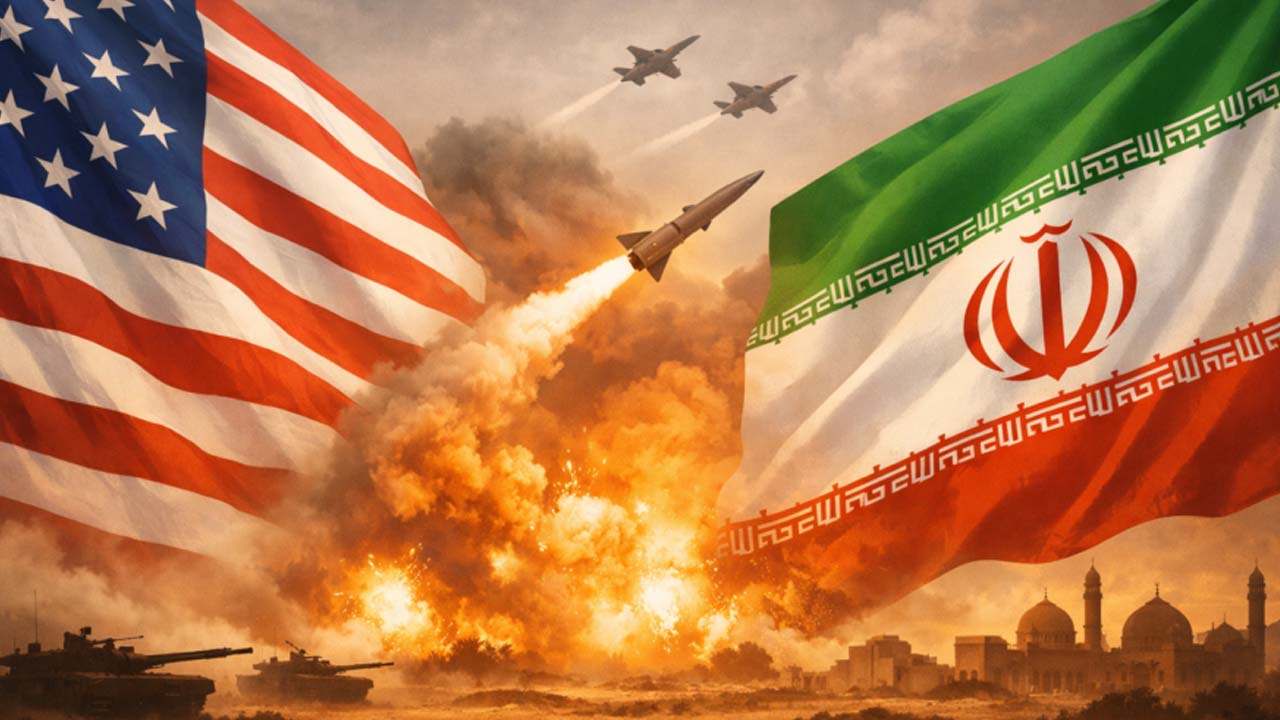
With hostilities easing and a temporary ceasefire bringing relief to the region, Iran is now turning its attention to a far greater challenge—rebuilding its economy. The country is expected to benefit from the easing of certain sanctions and the possibility of renewed foreign investment. Iran’s currency, the rial, has strengthened since the end of the conflict, and there is growing optimism that a portion of the country’s frozen overseas assets, estimated at $24 billion, could be released in the coming months. Additional funds held in Qatar may also become accessible if diplomatic agreements progress further.
Despite these positive developments, significant hurdles remain. Iran’s banking sector continues to face international restrictions, while its presence on the FATF blacklist remains a major obstacle to global financial integration. The country’s oil, petrochemical, and steel industries have suffered substantial damage during the conflict, limiting export capacity. Although Iran has the potential to increase crude oil exports from 1.5 million barrels to 2.5 million barrels per day if sanctions are lifted, rebuilding infrastructure, attracting investment, and restoring industrial output will take years. With reconstruction costs estimated at nearly $300 billion, Iran’s economic recovery will depend heavily on foreign capital, political stability, and long-term reforms.







Comments (0)
No comments yet
Be the first to comment!