
General


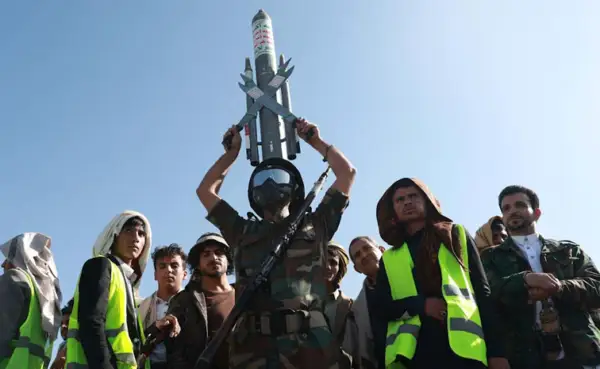
Yemen’s Houthi movement, also known as Ansar Allah, has grown from a religious and political movement in northern Yemen into a powerful armed group with regional influence. Emerging in the 1990s from the Zaydi Shia revival movement, the Houthis expanded their control during Yemen’s political turmoil and seized the capital, Sanaa, in 2014. In 2015, a Saudi-led coalition intervened in an attempt to restore the internationally recognised Yemeni government. However, years of fighting, mountainous terrain and the Houthis’ guerrilla tactics prevented a decisive military defeat. The group continues to control significant parts of northwestern Yemen.
Iran’s alleged support is considered an important factor in the Houthis’ military capabilities. The United States and other countries have accused Tehran of providing weapons, technical expertise, training and intelligence support. The Houthis reject the claim that they are controlled by Iran and say they develop their own weapons. Their arsenal includes ballistic and cruise missiles, as well as attack drones. By launching different types of weapons along varied routes, they can place pressure on sophisticated air-defence systems. Their dispersed bases and ability to operate in difficult terrain make them harder to target, while defending against every incoming missile or drone can be costly and technically challenging.














Comments (0)
No comments yet
Be the first to comment!