





Shows

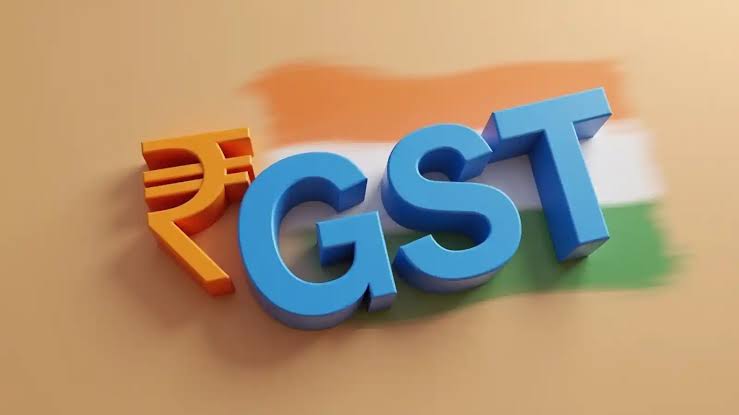
India’s Goods and Services Tax (GST) has successfully completed nine years and has entered its tenth year since its rollout on July 1, 2017. The reform remains one of the most significant milestones in India’s indirect tax system. The government is now focusing on enhancing efficiency through artificial intelligence, data sharing, and simplified processes to reduce compliance burden and speed up refunds.
GST implementation has expanded the tax base and improved compliance across sectors. The government has strengthened integration between GST, income tax, and customs databases to improve risk assessment and curb tax evasion. The number of registered taxpayers has risen sharply from 66.5 lakh at the time of launch to nearly 1.6 crore in 2026.
Revenue collections have also shown strong growth. The average monthly GST revenue stood at ₹89,700 crore in 2017–18. It increased to ₹1.84 lakh crore in 2024–25 and further to ₹1.85 lakh crore in 2025–26. Gross GST revenue reached ₹22.08 lakh crore in 2024–25 and grew to ₹22.27 lakh crore in 2025–26, reflecting steady fiscal expansion.












Comments (0)
No comments yet
Be the first to comment!