Politics


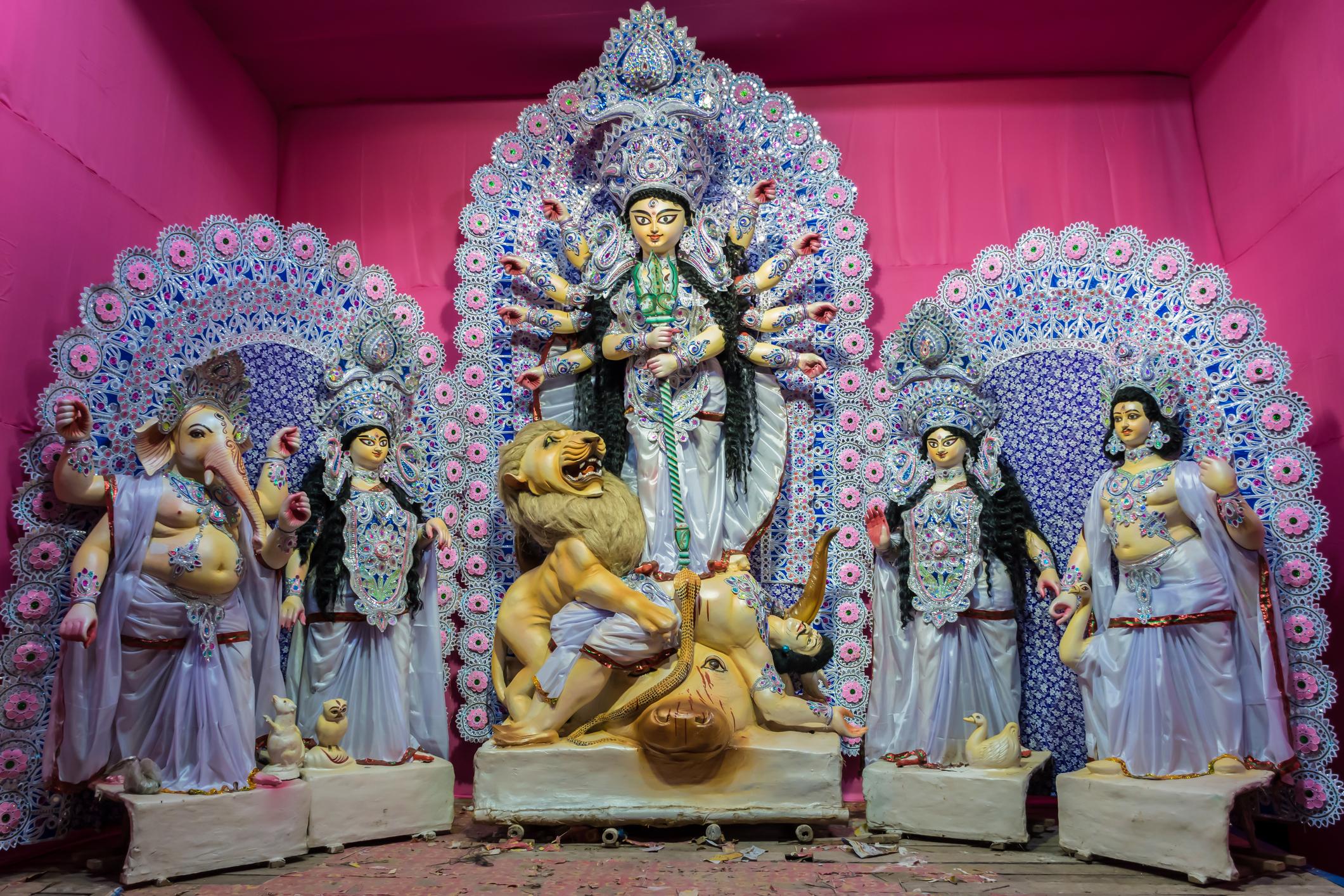
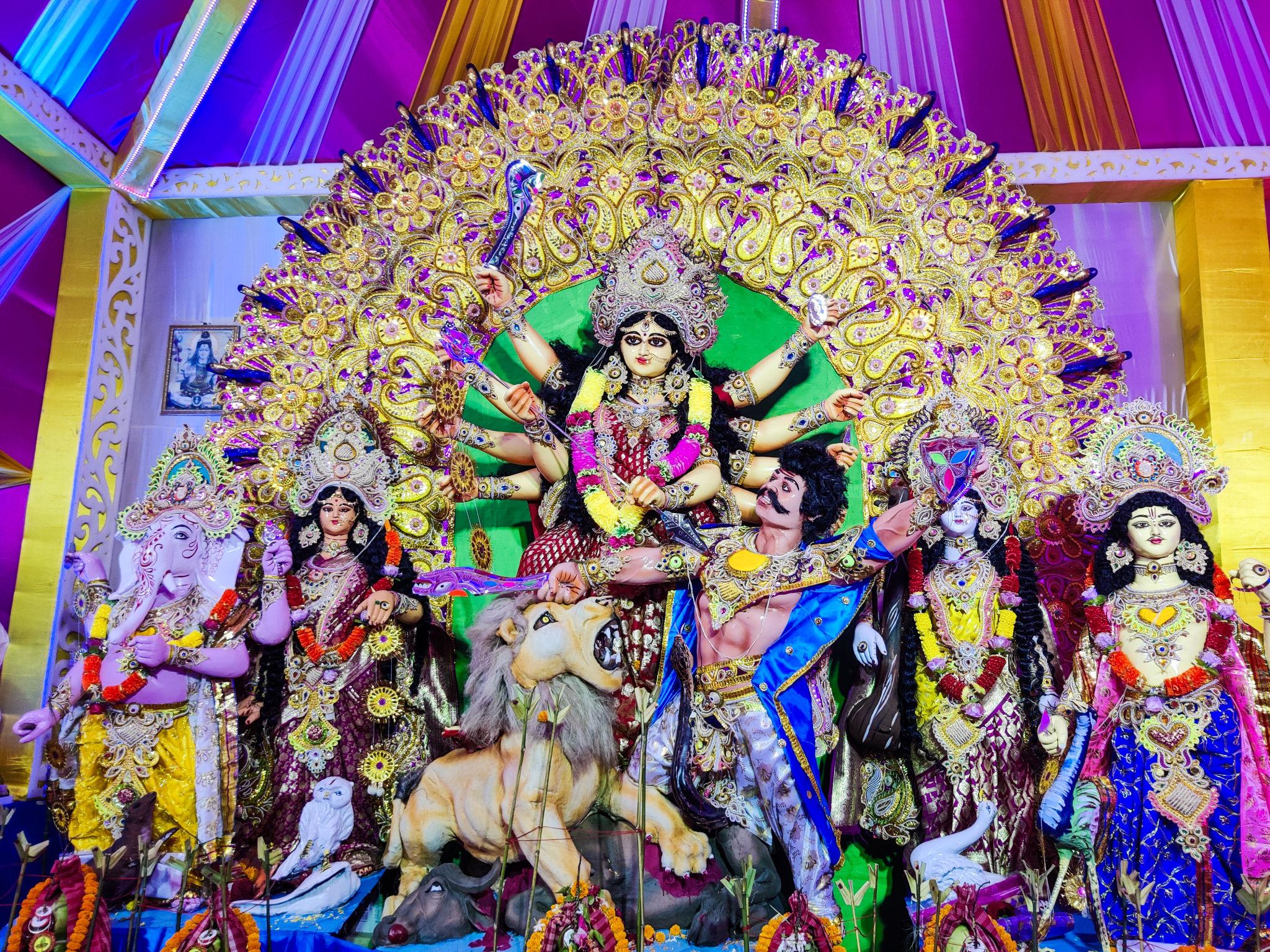
Durga Puja holds a special place in Hindu tradition and is celebrated with great grandeur, particularly in West Bengal. The festival commemorates Goddess Durga’s victory over the demon Mahishasura and symbolises the triumph of good over evil. According to Hindu mythology, the divine powers of the gods united to create Goddess Durga, who defeated Mahishasura after a fierce battle. In Bengali tradition, Goddess Durga is also revered as Uma, who visits her parental home along with her children, Lord Ganesha and Lord Kartikeya. This belief adds an emotional dimension to the celebrations, as devotees welcome the goddess with joy and bid her farewell at the end of the festival. In 2026, the main Durga Puja celebrations are scheduled to begin with Maha Shashthi on October 16 and conclude with Vijayadashami on October 21.
Each of the five principal days has its own spiritual significance and rituals. Maha Shashthi marks the ceremonial welcoming of the goddess through rituals such as Bodhan, Aamantran and Adhivas. On Maha Saptami, devotees perform Navapatrika Puja using nine types of plants, symbolising the sacred connection between divinity and nature. Maha Ashtami is marked by Pushpanjali, Kumari Puja in some traditions, and the important Sandhi Puja observed at the transition between Ashtami and Navami. Maha Navami features special worship, offerings and, in many places, homams. Vijayadashami brings the celebrations to a close, with married women participating in Sindoor Khela in Bengal before the idols are immersed. The farewell is often accompanied by the Bengali expression “Aasche Bochor Abar Hobe,” meaning “It will happen again next year.” Together, these rituals celebrate faith, cultural heritage, family bonds and the enduring message that good ultimately triumphs over evil.




Comments (0)
No comments yet
Be the first to comment!