



Movies


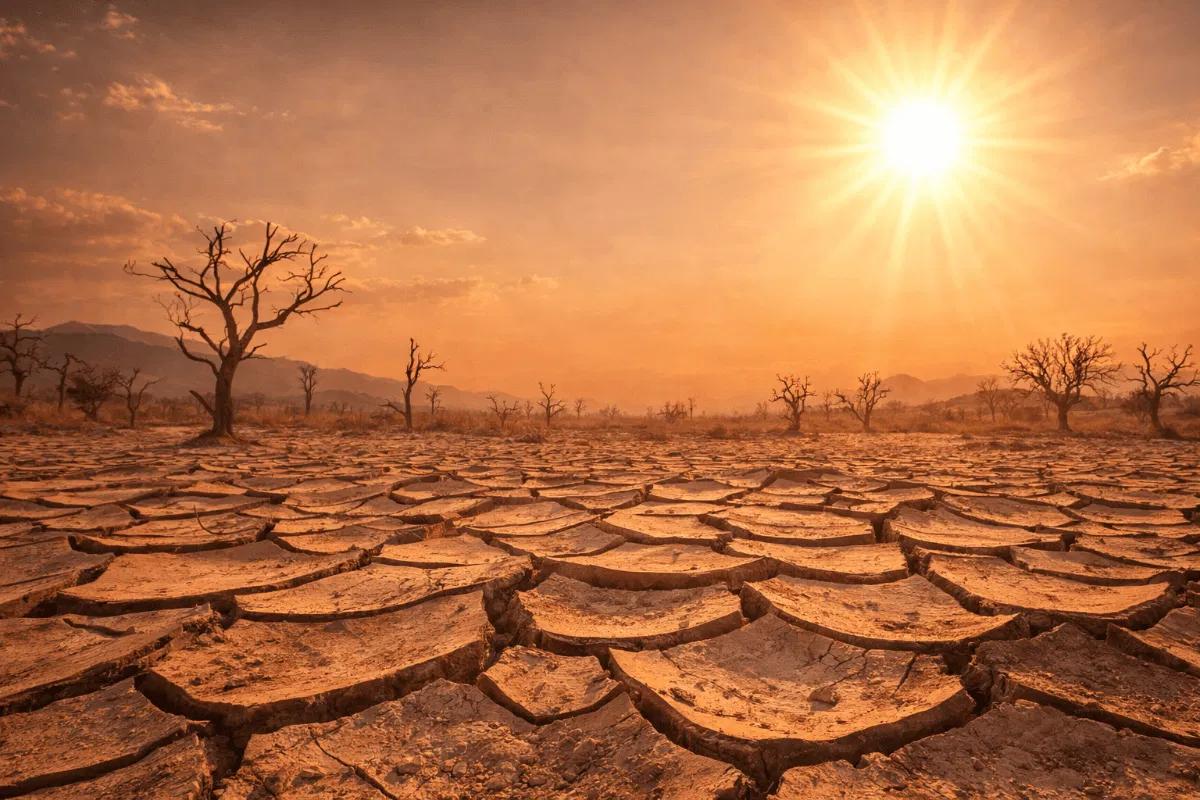
The El Niño phenomenon is intensifying rapidly, raising concerns about extreme heat and disruptions to rainfall patterns across the world. The World Meteorological Organization (WMO) said on Thursday that El Niño is expected to peak in December 2026 and has a near-100% likelihood of persisting through February 2027. The event could rank among the strongest recorded since 1950. According to the WMO, sea-surface temperatures in the central and eastern tropical Pacific could reach around 3.7°C above normal during October–December 2026, potentially exceeding previous records. The agency warned that El Niño, combined with human-driven climate change, could contribute to unusually high temperatures in many regions and increase the risks of droughts and floods. <Cite refs={["turn718714search0","turn718714search1"]}/>
Climate scientists have also expressed concern about the possible effects of the developing event. El Niño releases heat stored in the Pacific Ocean and alters atmospheric circulation, influencing temperatures and rainfall in different parts of the world. Its impacts vary by region, but a strong event can increase the likelihood of heatwaves and drought in some areas while bringing heavier rainfall to others. India is also facing concerns over rainfall after the 2026 southwest monsoon reportedly delivered only 87.4% of the long-period average. A stronger El Niño could add to the risk of dry conditions and unusually high temperatures, although the actual impact will depend on other climate factors as well.












Comments (0)
No comments yet
Be the first to comment!