
Sports


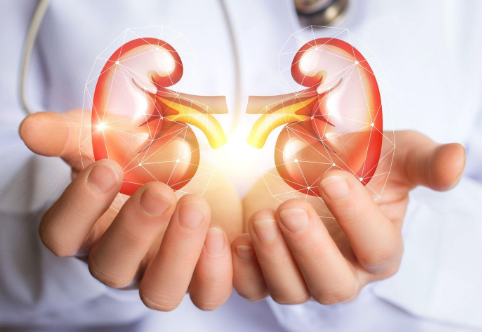
The kidneys play a vital role in filtering waste from the blood, removing it through urine and maintaining the body’s fluid and electrolyte balance. Everyday dietary habits can influence kidney health, particularly when they contribute to high blood pressure, diabetes or obesity. Excessive salt intake may increase blood pressure and place additional strain on the kidneys over time. Pickles, chips, packaged snacks and instant noodles can contain high amounts of sodium. Similarly, frequent consumption of sugary tea, coffee, sweets and soft drinks may contribute to weight gain and poor blood sugar control, increasing the risk of kidney complications, especially in people with diabetes. Refined-flour products such as biscuits, cakes and pastries may also contain considerable amounts of added sugar, salt and fat. Regularly consuming large quantities of these foods can affect overall health and indirectly increase the risk of kidney damage.
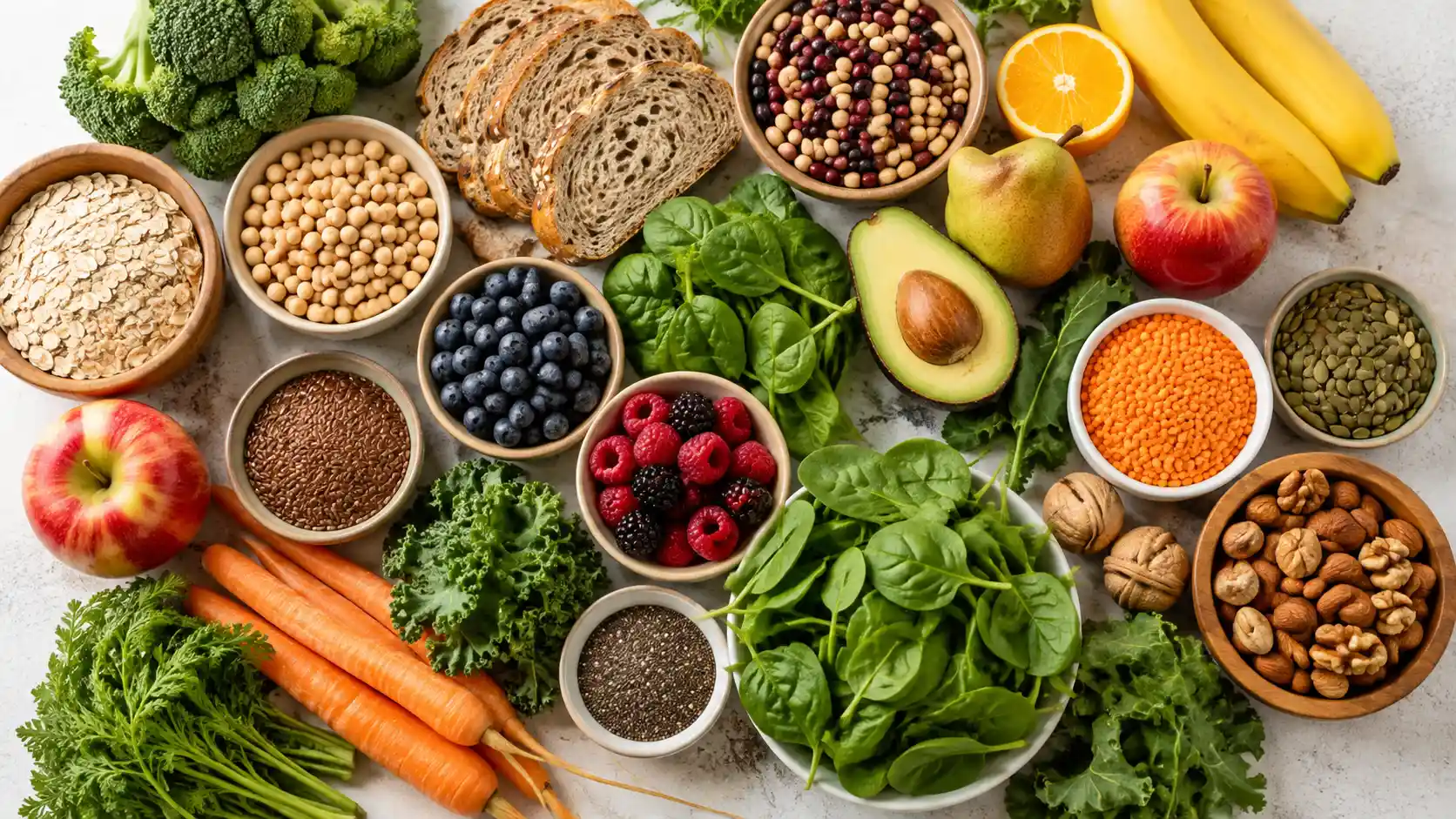
To support kidney health, people should limit excess salt and added sugar, reduce their intake of highly processed foods and check nutrition labels before buying packaged products. A balanced diet containing whole grains, vegetables, fruits and suitable sources of protein, along with regular physical activity and a healthy weight, can help reduce risk factors. Managing blood pressure and diabetes is particularly important. Since early kidney disease may not cause obvious symptoms, people with diabetes, high blood pressure or other risk factors should consult a healthcare professional about appropriate kidney screening. Hydration needs vary according to age, activity, climate and health conditions, so there is no single daily water requirement for everyone. People with kidney or heart conditions who have been advised to restrict fluids should follow their healthcare professional’s guidance rather than increasing their water intake independently. Dietary restrictions should also be tailored to individual medical needs.
Disclaimer: This article is intended for general health awareness only. The dietary needs of people with kidney disease vary depending on the stage of the disease, medical test results and other health conditions. Not everyone needs to restrict milk, paneer, pulses, fruits or other foods in the same way. Consult a doctor or a qualified dietitian for a personalized dietary plan.


















Comments (0)
No comments yet
Be the first to comment!