

Shows


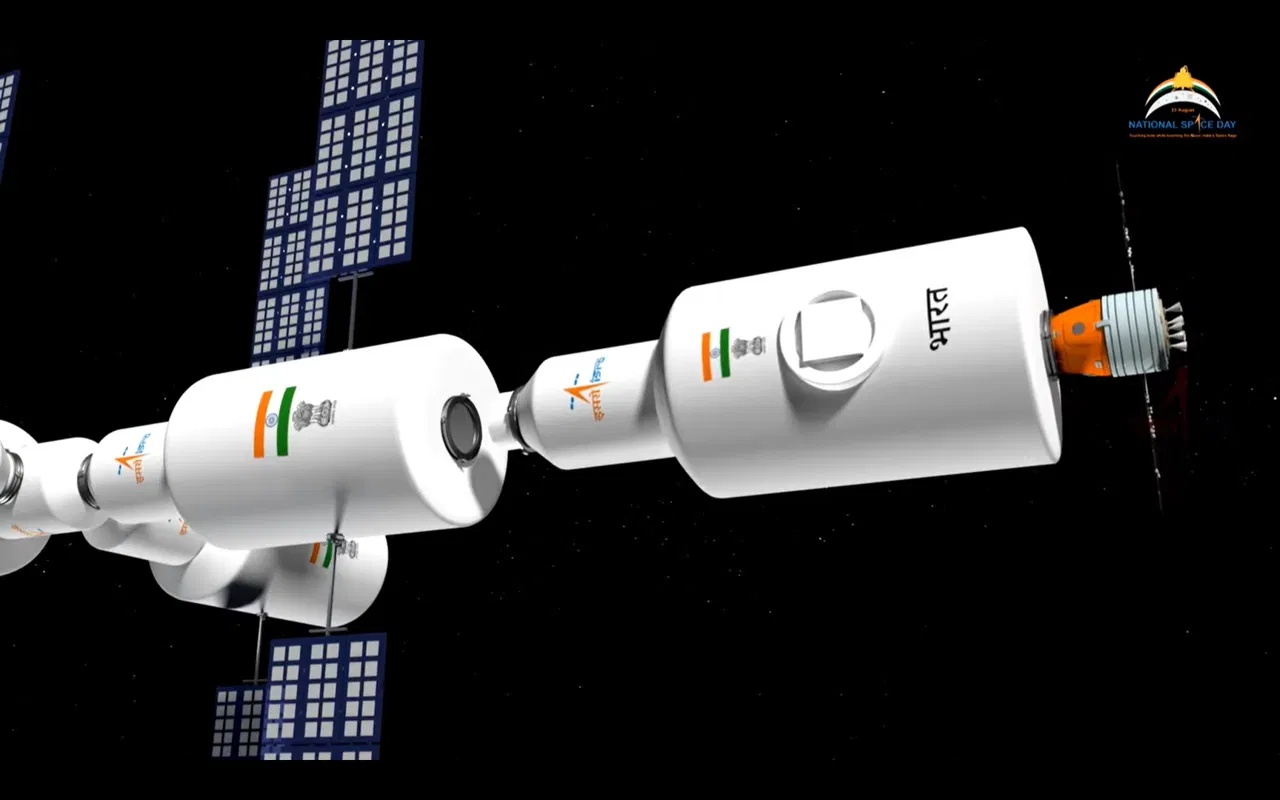
Space is unimaginably vast, stretching far beyond human comprehension. Scientists have identified thousands of planets across thousands of solar systems, yet the nearest star to Earth after the Sun, Proxima Centauri, is about 4.3 light-years away. Even the fastest spacecraft developed today would take thousands of years to reach it. As a result, interstellar travel within a human lifetime remains one of the greatest challenges in modern science.
Experts explain that traveling close to the speed of light introduces a phenomenon known as time dilation, where time passes more slowly for travelers than for people on Earth. Additionally, as a spacecraft accelerates, its mass effectively increases, requiring enormous amounts of energy. According to Einstein’s theories, reaching the speed of light would require infinite energy. Microscopic particles present in space also pose significant risks to high-speed spacecraft and their occupants.















Comments (0)
No comments yet
Be the first to comment!