General


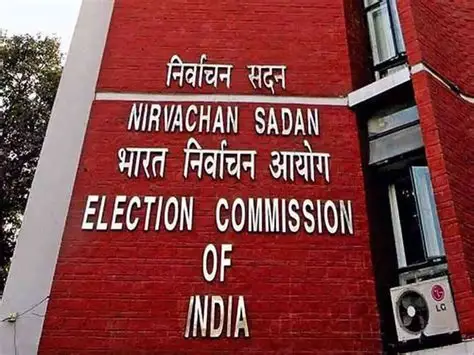
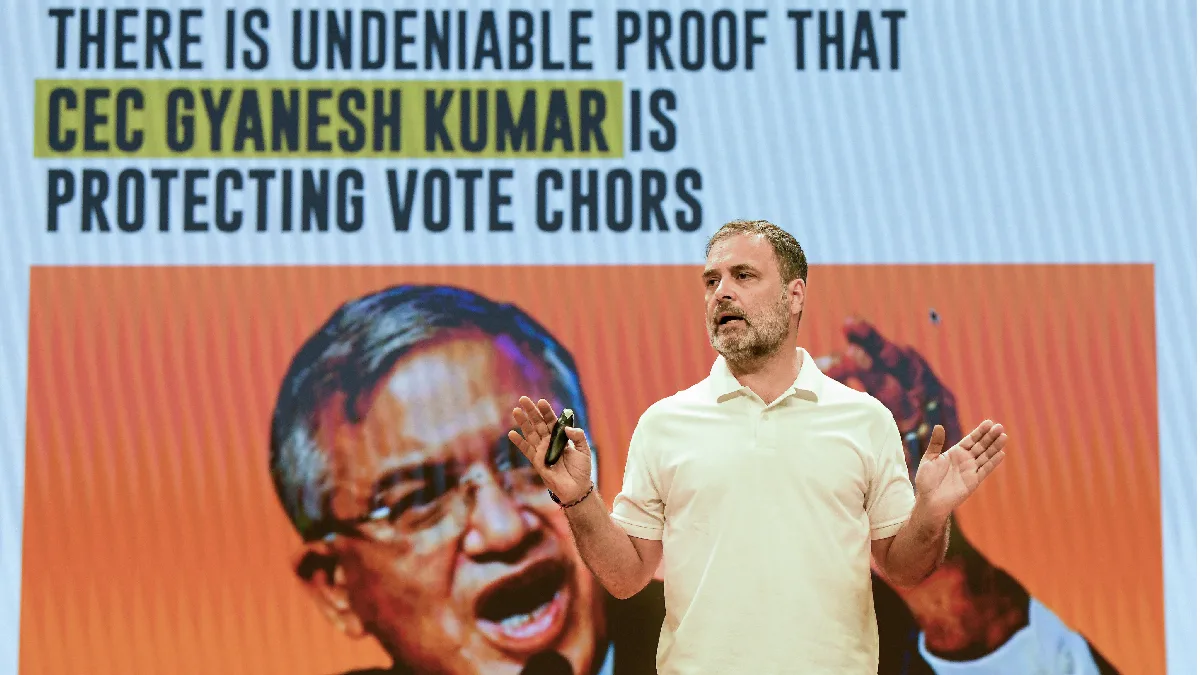
Amid growing demands for the resignation of Chief Election Commissioner Gyanesh Kumar, the Supreme Court has made significant observations regarding the functioning of the Election Commission of India.
The court said it would examine all decisions taken by the Election Commission and would strike down any decision that does not comply with the law. It also clarified that it had not approved any changes to Form 6, which is being used by the Election Commission during the Special Intensive Revision of electoral rolls in various states.
The Supreme Court said decisions of the Election Commission must be taken either unanimously or by majority, and observed that it was proceeding on the assumption that the Commission had been following this procedure so far. The court warned that there would be consequences if the functioning of the Election Commission was found to be contrary to law.The issue gained attention after a report in The Indian Express alleged that CEC Gyanesh Kumar had taken unilateral decisions regarding changes to Form 6, overruling the views of the other two Election Commissioners during the SIR process.
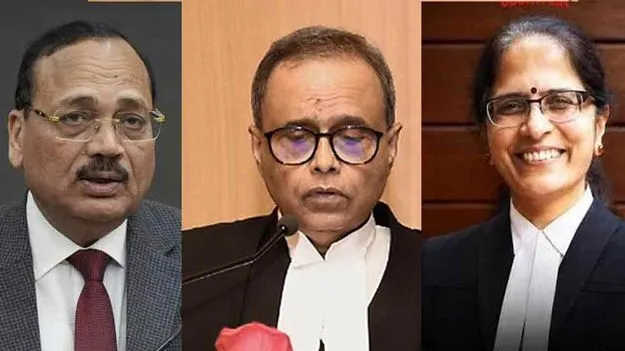
A bench comprising Chief Justice of India Justice Surya Kant, Justice Joymalya Bagchi and Justice Manoj heard public interest petitions filed in connection with the allegations on Monday. Senior advocates Vikas Singh and Menaka Guruswamy appeared for petitioners Rakesh Kumar Singh and Shailendra Mani Tripathi.
CJI Justice Surya Kant observed that the law clearly lays down how the Election Commission is required to function and said the court could invalidate any decision involving a violation of the law.
He further said that Election Commission decisions must be based on consensus or majority as prescribed by law. If decisions were taken otherwise, the court would have the power to strike them down.
The petitioners had also requested the court to direct the CEC not to take any decisions until the case was decided. Justice Surya Kant declined to issue such an order, saying the court could not act solely on newspaper reports without first hearing the responses of the Election Commission and the Central government.Senior advocate Vikas Singh also referred to recent legal changes providing protection to election commissioners from legal proceedings not only while in office but even after retirement. The bench observed that even judges do not enjoy such broad protection and said it would examine the issue.
The Supreme Court issued notices to the Election Commission and the Centre and directed them to respond to the issues raised by the petitioners within a week.






Comments (0)
No comments yet
Be the first to comment!